



Low Testosterone: Symptoms, Causes, and Natural Remedies
Do you wake up feeling tired even after 8 hours of sleep? Have you noticed a drop in libido, difficulty building muscle despite working out, or mood swings for no apparent reason?
You may be among the 20–30% of men over 30 who have testosterone levels below the optimal range. Low testosterone is now one of the most common yet least diagnosed conditions among men—and the good news is that there are effective natural strategies to support hormone levels.
What Is Testosterone and Why Does It Decline After Age 30?
Testosterone is the primary male hormone, produced in the testicles in response to luteinizing hormone (LH). It regulates body composition, bone density, libido, mood, and cognitive function.
After age 30, levels decline by an average of 1–2% per year. This is a natural process, but it can be accelerated by several factors:
- High levels of chronic stress
- Sedentary lifestyle
- Excess visceral fat
- Vitamin D and zinc deficiency
- Poor sleep quality
- Excessive alcohol consumption
Symptoms of Low Testosterone: How to Recognize Them
Low testosterone often presents with symptoms that are mistaken for fatigue or stress:
- Chronic fatigue
- Loss of muscle mass
- Increase in abdominal fat
- Decrease in sexual desire
- Depressed or unstable mood
- Difficulty in concentration
- Decline in motivation
If you notice more than one of these signs, it may be helpful to monitor your levels with a blood test.
The Most Effective Natural Ingredients
Several natural ingredients can support the body's natural production of testosterone:
- Ashwagandha KSM-66: helps reduce cortisol and supports testosterone levels
- Zinc: essential for hormone synthesis
- Vitamin D3: involved in endocrine regulation
- Fenugreek: supports hormonal balance and libido
- Oligopin: Support for Hormonal and Reproductive Health
A synergistic combination of these elements can provide more comprehensive support than individual ingredients.
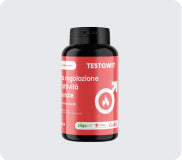
If you prefer a product that already contains these ingredients, you might want to check out Testowit.
Frequently Asked Questions
Is low testosterone dangerous?
Not immediately, but over the long term it can affect metabolic, cardiovascular, and bone health.
How is testosterone measured?
By taking a blood test in the morning, when levels are highest.
Do supplements really work?
Supplements containing standardized ingredients and appropriate dosages can support natural production over time.
What is the difference between supplements and hormone therapy?
Supplements support natural production, while hormone therapy introduces testosterone from an external source.
Conclusion
Low testosterone is a warning sign that shouldn't be ignored. Taking early action with the right strategies can make a big difference in the long run.
Learn more about how to naturally support your hormone levels: Discover Testowit
Leave a comment